
Why luck plays a crucial role in casino games

The Essence of Luck in Gambling
Luck is often regarded as the heart of gambling, particularly in casino games where outcomes can change in an instant. Unlike skill-based games, where strategies can alter results, luck determines the fate of players in games like slots and roulette. This element of chance adds to the excitement and unpredictability that draws millions to casinos worldwide, including those who enjoy planning their trips through adelaidebnb.info for unique accommodations. The anticipation of waiting for a winning combination or the spinning of a wheel embodies the thrill that only luck can provide.
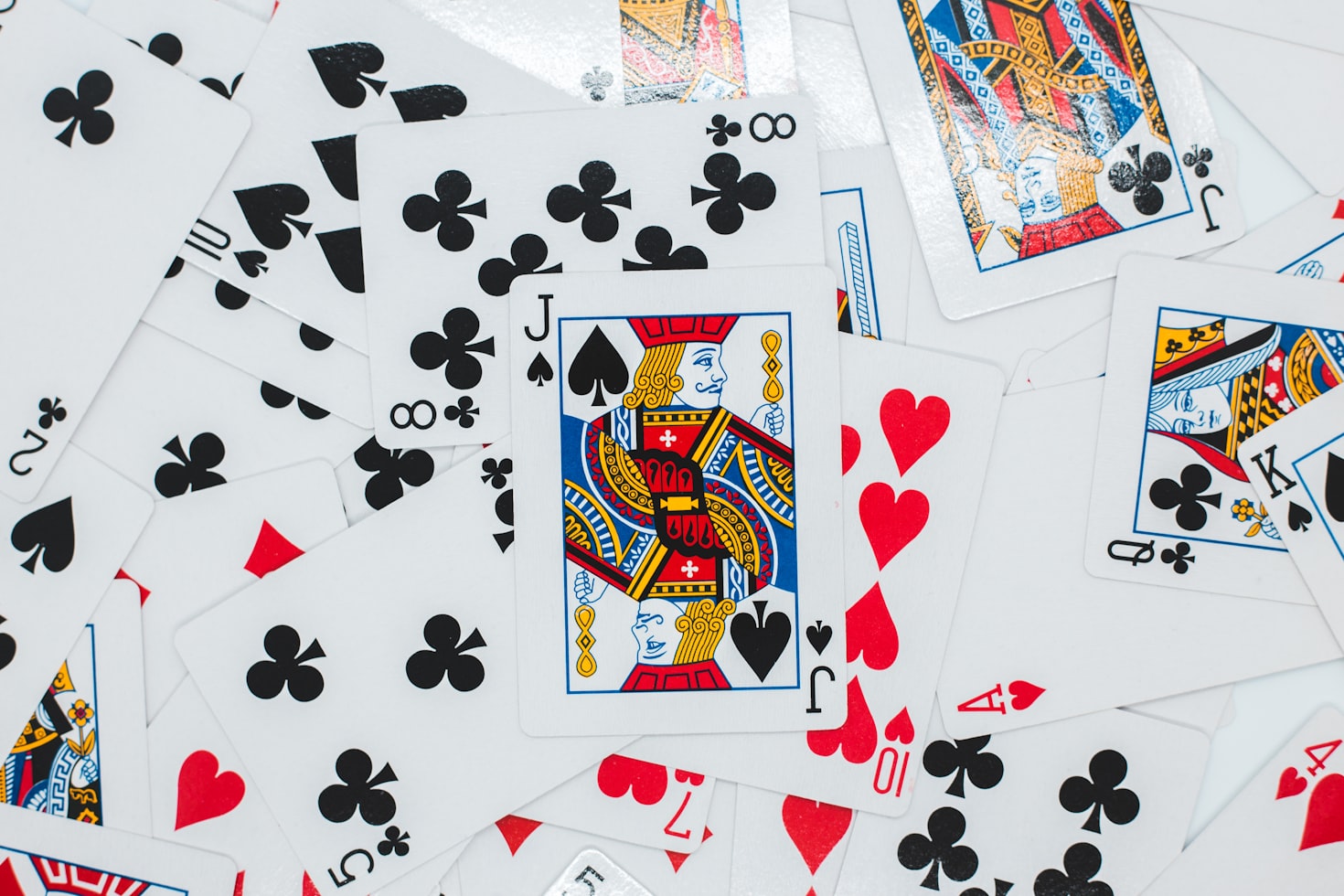
Moreover, luck plays a psychological role in how players approach casino games. Many believe in the idea of ‘lucky streaks’ or ‘bad luck’, which can significantly influence decisions and behaviors at the gaming tables. For example, a player on a winning streak may feel invincible and perhaps bet more than they usually would, driven purely by the belief that luck is on their side. This phenomenon is what keeps players returning, despite the odds heavily favoring the house in the long run.
Additionally, the randomness of luck levels the playing field, regardless of a player’s experience or knowledge. A newcomer can walk into a casino and potentially hit a jackpot on their first attempt, while a seasoned player may leave empty-handed. This randomness ensures that every spin of the wheel or flip of a card offers the potential for excitement and surprise, making luck an intrinsic part of the gambling experience.
The Impact of Randomness on Casino Games
Randomness is the foundation of all casino games, influencing how luck manifests within each game. In games like blackjack or poker, while skill and strategy can play a major role, the card draw remains a random factor that can skew outcomes unexpectedly. This randomness not only creates tension but also contributes to the allure of gambling, as players never quite know what to expect. Whether a player receives favorable hands or experiences a series of unfortunate draws, the role of luck remains inescapable.
In slot machines, luck is the sole decider. Each spin is independent and governed by random number generators that ensure unpredictability. Players often find themselves captivated by the vibrant graphics and sounds, yet it is the randomness that creates that euphoric moment when they hit a winning combination. This randomness is crucial; without it, the thrill would diminish, and the dynamics of play would shift to a more predictable outcome, which would not captivate the audience nearly as effectively.
The element of chance also supports the casino’s business model. By relying on luck and randomness, casinos can maintain a house edge, ensuring long-term profitability. This does not diminish the excitement for players; instead, it enhances the gambling experience, as everyone dreams of beating the odds. Thus, understanding the intricate relationship between luck and randomness can deepen players’ appreciation for casino games, as they realize how vital these elements are to the excitement and unpredictability of gambling.
Luck Versus Skill in Casino Gaming
The age-old debate of luck versus skill in casino gaming continues to generate interest among players. While certain games, such as poker and blackjack, heavily rely on strategic thinking and skill, elements of luck still play a pivotal role. A perfect strategy may not guarantee victory if the cards drawn are unfavorable. Thus, successful players must harness both skill and a degree of fortune to achieve consistent results.
In contrast, games considered purely based on luck, like slots and roulette, remove the skill aspect entirely. Players cannot influence the outcome through any tactical decisions. However, the randomness of these games means that, at some point, even a novice can emerge victorious against seasoned players. This reliance on luck creates an environment filled with equal opportunity for newcomers and veterans alike, allowing for dramatic surprises.
The balance of luck and skill is what makes casinos intriguing. Players often devise theories or strategies hoping to tip the odds in their favor. However, the nature of games ensures that luck will always play a role, serving as a reminder that, in the world of gambling, anything can happen. This blend keeps players engaged and invested, as the thrill of potential victory underlines every game they partake in.
The Psychological Aspect of Luck in Gambling
Luck in casino games is not merely a numerical concept; it profoundly impacts the psychological approach players take. The belief in luck can lead to phenomena such as the gambler’s fallacy, where individuals think that past events influence future outcomes. For instance, if a player sees that red has come up several times in roulette, they may place bets on black, believing it is ‘due.’ This cognitive bias can significantly affect how people play and wager their money.
Furthermore, rituals and superstitions often develop around luck in gambling. Players may carry lucky charms or adopt certain behaviors they believe enhance their chances of winning. These habits are a testament to the psychological hold that luck exercises over players. The belief in luck can provide a sense of control amidst the randomness that governs the casino environment, making the experience even more engaging as players seek their own ‘lucky’ systems.
The psychological thrill of luck can also trigger the release of neurotransmitters in the brain, creating feelings of excitement and pleasure in players. This chemical reaction serves to reinforce gambling behaviors, further tying the experience of luck to enjoyment and even addiction. Understanding the psychological dimensions of luck in casino games offers insight into why people persist in gambling, regardless of the odds stacked against them.
Discovering Your Luck at the Casino
Finding your luck at the casino often involves trial and error, as each player’s journey through the gambling experience is unique. Many players emphasize the importance of personal intuition and energy in the gaming environment. Whether it is the ambiance of the casino or the electrifying atmosphere among players, individuals can often feel when luck is on their side. This subjective feeling can lead to picking tables or machines that resonate with them, creating a personal connection to the game.
Additionally, part of discovering one’s luck involves exploring different types of games. Each game carries its dynamics and appeals, with some providing more immediate gratification than others. Those who enjoy the thrill of fast-paced action may gravitate toward slot machines, while others might prefer the strategic depth of card games. This exploration can help players identify where their luck seems to flourish, aiding in an enjoyable and potentially profitable gambling experience.
Ultimately, embracing the concept of luck in gambling can lead to a more fulfilling experience. Understanding that luck is a natural element of casino games allows players to enjoy the process rather than solely focusing on winning. Recognizing and appreciating the role of luck can enhance the enjoyment of each game, transforming gambling into a journey filled with excitement, possibility, and fun.